Cradle Health
Cradle Health is a healthcare company offering digital services tailored to pregnant women and new mothers, with a focus on prenatal care, newborn health management, and accessible healthcare resources.
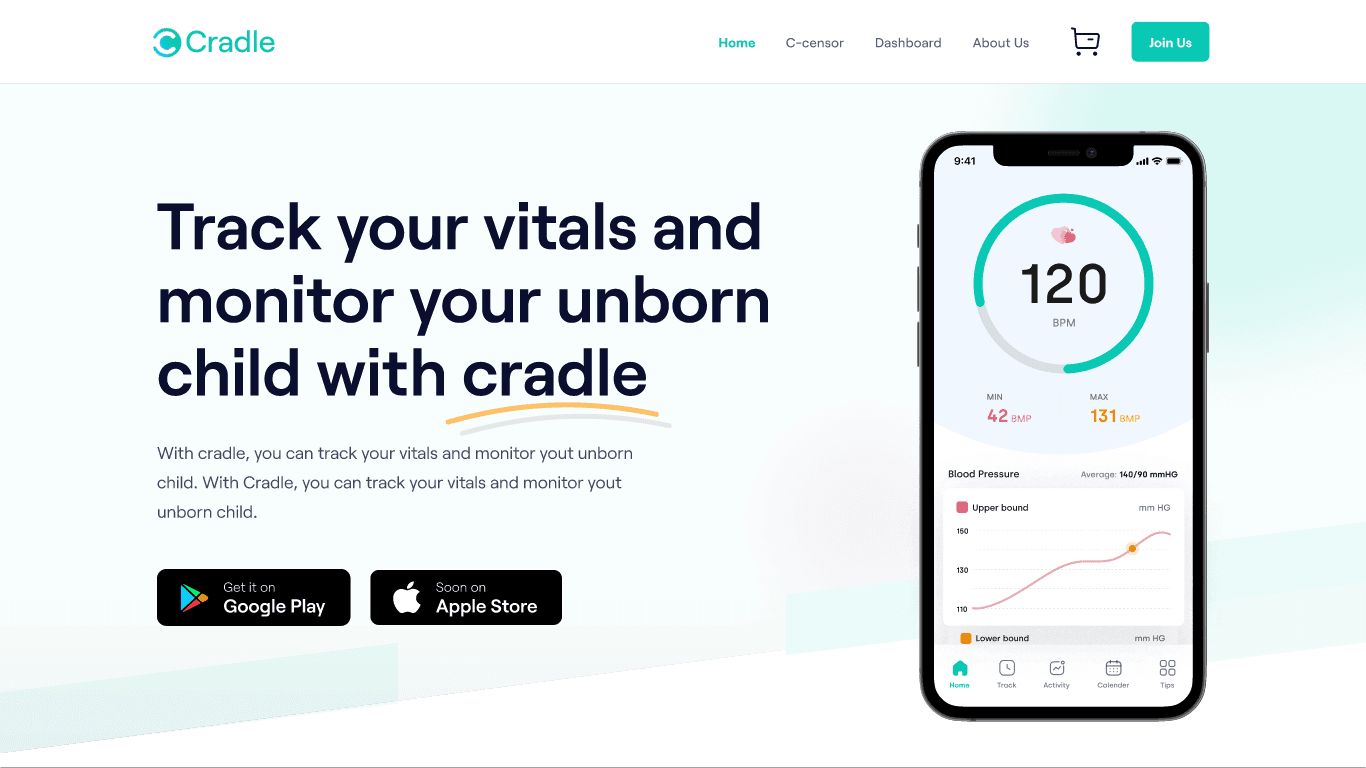
A year-long research initiative to make maternal healthcare feel clearer, more intuitive, and easier to use.
Optimising the platform across web and mobile.
The project focused on a year-long research initiative to optimise the Cradle Health platform for pregnant women and new mothers, with attention to both web and mobile applications.
Understand user needs as they evolve over time.
The research aimed to gain insight into how the needs of pregnant women and new mothers change throughout their journey, from early pregnancy to postpartum, while continuously improving usability, identifying emerging pain points, optimising the cross-platform experience, sustaining engagement, and informing strategic product development.
A mixed-methods research process built around continuous learning.
The work combined quantitative methods such as surveys and analytics review with qualitative research, including in-depth interviews, usability testing, diary studies, and phased research execution. The approach allowed the team to iterate, refine, and respond to user feedback throughout the year.
Clearer understanding of user behaviour, pain points, and practical needs.
The research surfaced how pregnant women and new mothers use the platform, what they prefer across web and mobile, and which tasks they perform most frequently. It also identified common frustrations such as navigation issues, content access barriers, and challenges around features like virtual consultations.
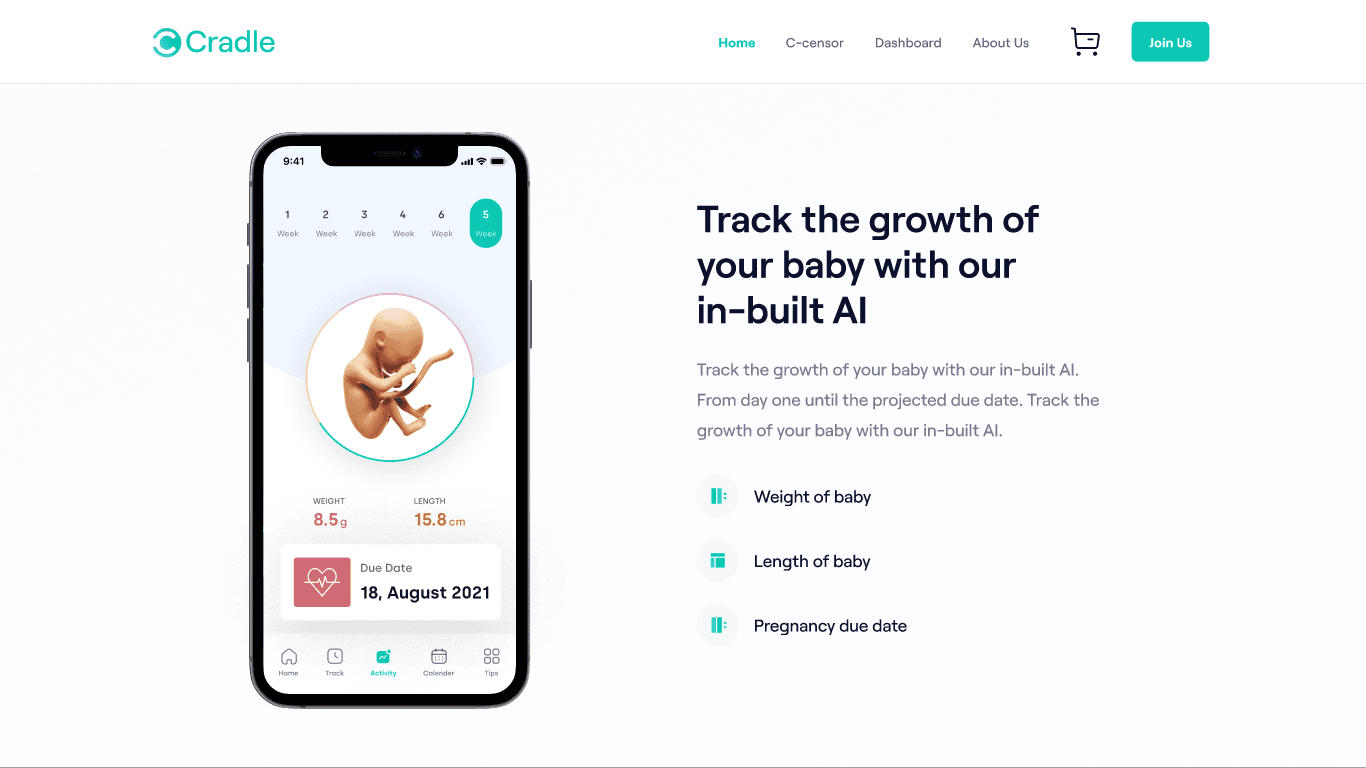
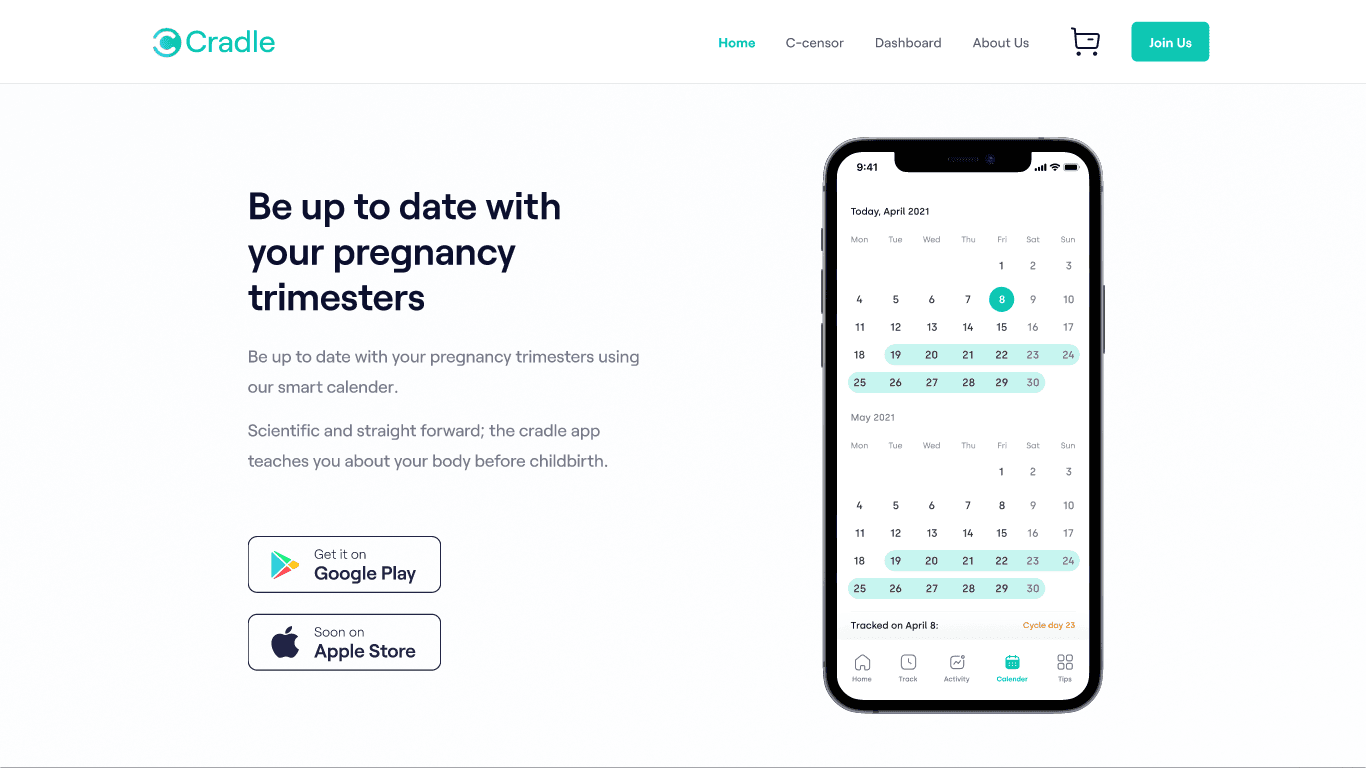
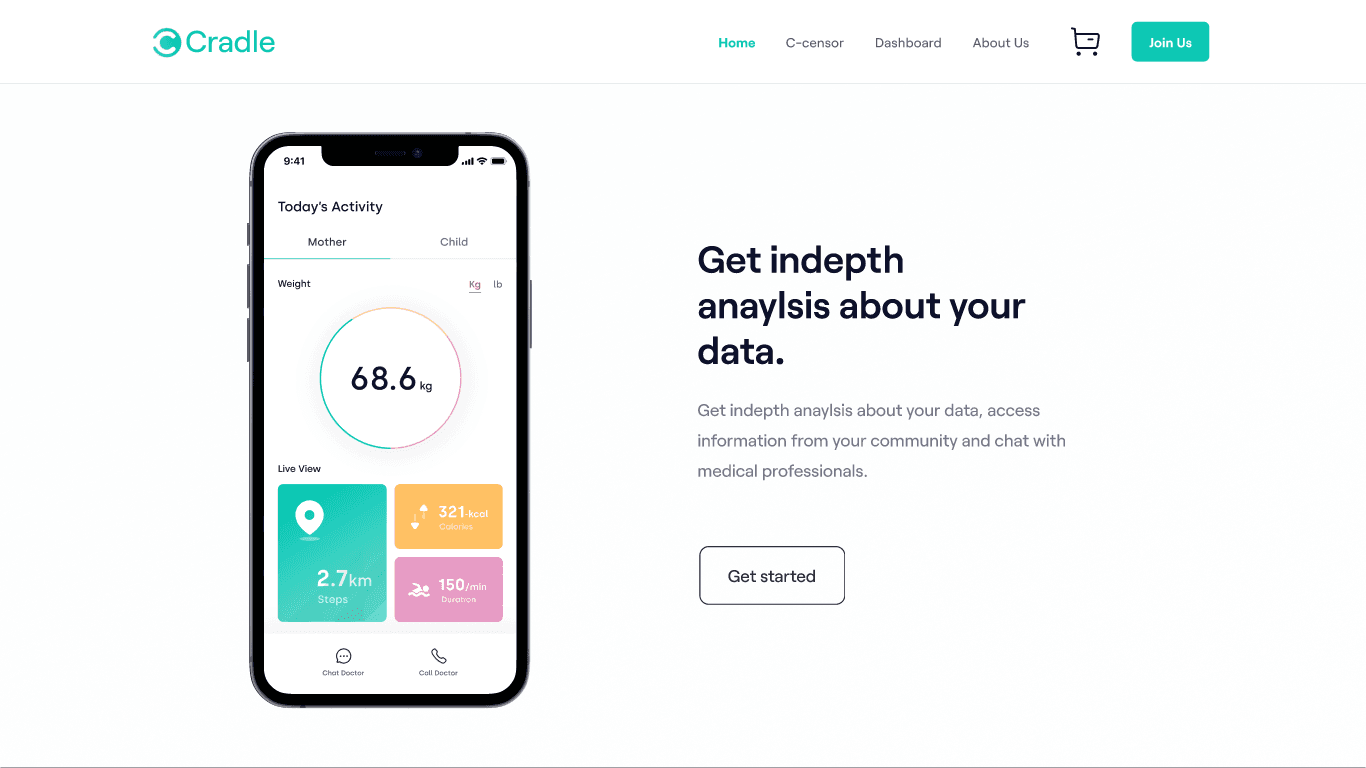
Typeform for online surveys
Lookback for remote usability testing
Mixpanel for behaviour and drop-off tracking
Trello for research task management
Figma for wireframes, prototypes, and design iteration
Evernote for diary study capture
Phase 1: Initial research, surveys, interviews, and baseline usability testing
Phase 2: In-depth usability studies, diary studies, and contextual inquiries
Phase 3: Iterative design testing, feedback implementation, and cross-platform optimisation
Phase 4: Post-implementation evaluation, follow-up research, and final recommendations